

How to choose your fine art paper
Paper makes all the difference
The same image will not have the same character on two different papers. Choosing paper is almost an artistic decision. Here are the main families we use at Collab Ink.
Matte and smooth: versatility
A soft, glare-free surface with a velvety finish. It is the most versatile choice for illustration, drawing, and painting.
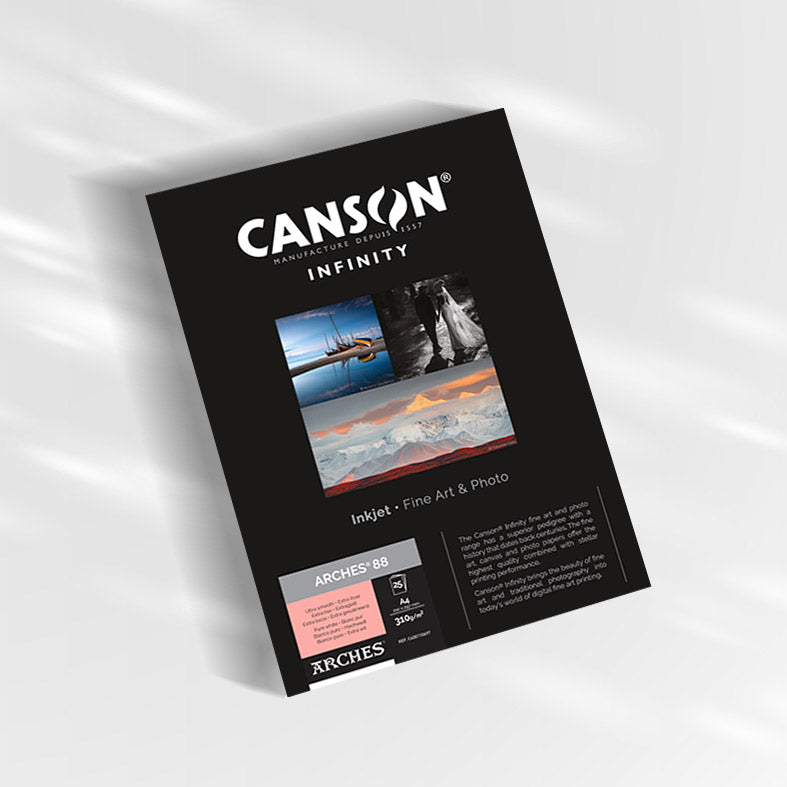
- Hahnemühle Photo Rag, Canson Photographic Rag, Canson Arches 88, Moab Entrada Rag
Textured: the watercolor feel
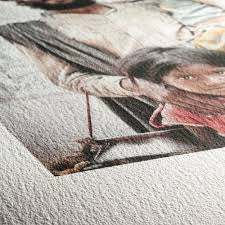
A pronounced grain that evokes drawing or watercolor paper. Ideal for painted works, watercolors, and pieces that benefit from texture.
- Canson Arches Watercolor Rag, Hahnemühle William Turner, Somerset Enhanced Watercolour, Moab Entrada Coldpress
Baryta and satin: depth
A slight sheen, very deep blacks, and high contrast. The preferred paper for photography and highly contrasted images.
- Canson Photographic Baryta II, Moab Juniper Baryta Rag, Canson Platine Fibre Rag, Hahnemühle Photo Rag Satin
Exceptional papers
For projects that are out of the ordinary: Japanese papers with visible fibers, metallic surfaces, or alternative fibers such as bamboo.
- Moab Moenkopi Kozo and Unryu, Moab Slickrock Metallic, Hahnemühle Bamboo
Natural white or bright white?
Some papers come in a "Natural" version, with a warm white, and "Bright," with a cooler, more luminous white. Natural softens the image, while bright makes the colors pop.
Frequently asked questions
What is the best paper for printing an illustration?
A smooth, matte cotton paper, such as Hahnemühle Photo Rag or Canson Arches 88. It renders details with precision, without glare.
What paper should I choose for a photo?
A baryta or satin paper, such as Canson Photographic Baryta II or Moab Juniper Baryta Rag, for deep blacks and high contrast.
What paper should I use to reproduce a watercolor or painting?
A textured watercolor-type paper, such as Canson Arches Watercolor Rag or Hahnemühle William Turner, which reproduces the grain of the original work.
What does the weight (308 g, 310 g) mean?
It is the weight of the paper in grams per square meter. The higher it is, the thicker and more rigid the paper. Most fine art papers range from 230 to 330 g.
What is "Rag" paper?
"Rag" refers to paper made from cotton. It is a guarantee of archival quality: it is acid-free and ages very well.
Need advice?
We will help you choose the paper that best suits your work.

Leave a comment
This site is protected by hCaptcha and the hCaptcha Privacy Policy and Terms of Service apply.